The Basics of Myofascial Release
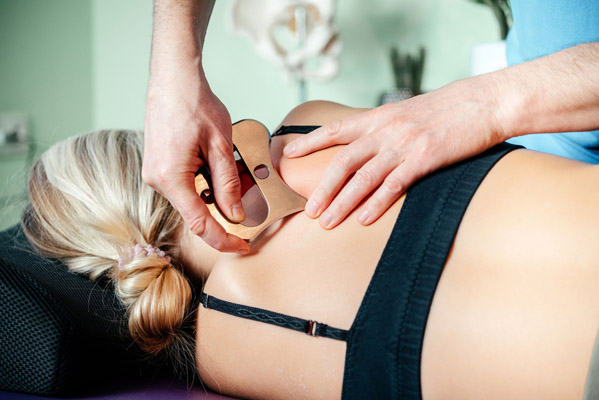
Myofascial release is a physical therapy approach that reduces tension in the fascia, a connective tissue network that surrounds muscles and organs. When this connective tissue web loses its normal glide, it restricts movement and can make it hard to perform daily activities comfortably. Posture, past injuries, and repetitive motions can further contribute to this stiffness. Physical therapists tailor myofascial release to the patient's current condition and health history, helping them achieve easier movement and improved body awareness.
Understanding fascia and why it matters
Fascia acts as a continuous web of connective tissue that stabilizes and encloses muscles. In a healthy state, fascia is flexible and allows muscles to slide past one another without friction. However, traumatic injury, inflammatory responses, and surgery can cause the fascia to lose its elasticity. This results in tight bands of tissue that can exert excessive pressure on muscles and nerves, leading to chronic pain and decreased range of motion.
Fascial restrictions also influence how force travels through the body. A tight area in the calf, for example, can affect knee mechanics, hip rotation, and the lower back while walking. Since the fascial system connects whole regions of the body, symptoms often appear far from the source of tension. Myofascial release aims to restore a healthier glide, thereby making movement more efficient and comfortable for the patient.
Ideal candidates for myofascial release
This manual therapy technique is effective for individuals with various types of soft-tissue dysfunction. Physical therapists (PTs) often incorporate these methods when a patient's stiffness does not improve through traditional exercise alone. Common candidates include:
- Office workers. Individuals who are dealing with chronic neck and shoulder tension from prolonged sitting.
- Amateur and professional athletes. Those looking to improve recovery times and address tight spots that affect performance.
- Patients recovering from surgery. These individuals can benefit from myofascial release to manage the development of scar tissue or protective guarding.
- Individuals with chronic conditions. Individuals with tension-type headaches or plantar fasciitis may benefit from the healing effects of myofascial release.
By targeting the fascia rather than just the muscle fibers, PTs can address the root of the pain and lack of mobility. Typically, this leads to sustainable improvements in flexibility and everyday comfort.
What to expect during a treatment session
A physical therapy session involving myofascial release begins with an assessment of the patient's range of motion. The PT looks for subtle shifts in posture or stride that may indicate where the patient is overcompensating for stiffness. Unlike a deep-tissue massage, which uses forceful rubbing, myofascial release uses slow, steady pressure applied directly to the tight areas. The patient will feel a gentle stretching sensation as the PT maintains this pressure, allowing the connective tissue to soften and lengthen naturally.
Most treatment plans include a combination of myofascial release and corrective exercises. Strengthening the muscles around a newly released area helps ensure the joints remain stable and the stiffness does not immediately return. This integrated approach helps patients regain control over their movement and reduce the likelihood of future injury.
Schedule an appointment today
A physical therapist uses myofascial release when tight connective tissue contributes to symptoms such as pain, stiffness, or limited mobility. It is a noninvasive, often comfortable way to support your physical ability and range of motion. To get started, contact Orange County Physical Therapy OCPT, Inc. for an appointment.
Request an appointment here: https://irvine.ocptclinic.com or call Orange County Physical Therapy OCPT, Inc. at (949) 777-5301 for an appointment in our Irvine office.
Check out what others are saying about our services on Yelp: Read our Yelp reviews.
Related Posts
Ankle sprain treatment often includes using crutches to reduce pressure on the injured ankle during the early stages of recovery. However, not every ankle sprain requires crutches, and the duration of use depends on the severity of the injury and the rate of healing. As an orthopedic specialist, the goal is to protect the injured…
Effective pain management from a physical therapist does more than mask symptoms. It reduces inflammation, restores movement, and builds resilience. Many may wonder where to start and which steps truly matter. With guidance from a licensed physical therapist, a clear plan can calm flare-ups and prevent them from returning. Here are a few ideas that…
Tendinitis can interfere with sports, hobbies, and everyday life. Although a physical therapist can treat and manage this condition, prevention is always the most effective treatment. Following a few tips and tricks for healthy tendons can go a long way toward preventing tendinitis.Tendons are the thick chords of connective tissue that attach bone to muscle.…
A search for a PT near me is an effective way to start your recovery after an injury, major surgery, or chronic pain. Choosing the right provider can help you return to the activities that matter most. Success in physical therapy depends on several practical factors that go beyond a simple map result. The following…