Pain Management Tips From a Physical Therapist
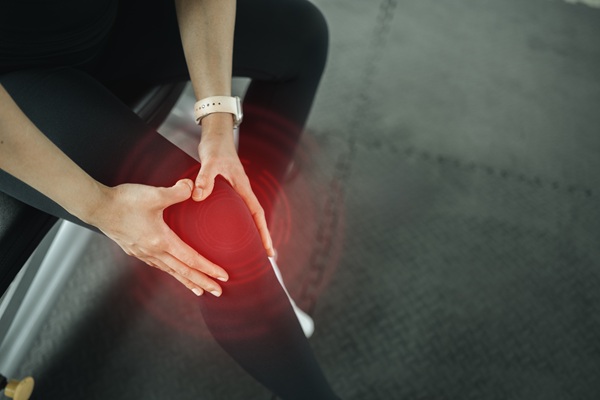
Effective pain management from a physical therapist does more than mask symptoms. It reduces inflammation, restores movement, and builds resilience. Many may wonder where to start and which steps truly matter. With guidance from a licensed physical therapist, a clear plan can calm flare-ups and prevent them from returning. Here are a few ideas that focus on safe, practical actions that fit busy schedules and support long-term results.
Tips for effective pain management
Start with a clear assessment
Good decisions follow good information. A physical therapist evaluates posture, joint motion, strength, and daily habits to identify the underlying cause of discomfort. This baseline directs targeted care rather than relying on guesswork. When the plan aligns with the cause, pain management becomes efficient and measurable, rather than a cycle of trial and error.
Guided exercised
Motion, when chosen wisely, helps tissues recover. Gentle range-of-motion drills, instructed by a physical therapist, reduce stiffness, while progressive strength work supports joints and lowers strain on irritated areas. Short walking intervals or cycling can improve circulation without overload. A physical therapist sets the right sequence and volume so each week builds on the last and pain management stays on track.
Daily habits that reduce pain
Small, steady habits often lead to the most significant change. Try integrating the following steps into everyday routines to support tissue healing:
- Prioritize posture breaks every 30 to 60 minutes—stand, roll the shoulders, and reset neck alignment
- Use heat for stiff muscles and cold for shapes, new flare-ups, following the physical therapist's guidance
- Aim for seven to nine hours of sleep each night and balanced meals with protein and colorful produce to fuel repair
These choices reinforce the work patients undergo with the physical therapist and make pain management more consistent.
Tools that support recovery
Simple tools can speed comfort when used correctly. A foam roller loosens tight fascia, while a massage ball targets specific trigger points in areas such as the shoulder blades, hips, or feet. Bracing or taping may guide posture during activity. For certain conditions, a physical therapist may suggest a TENS unit for short-term symptom relief. Each tool works best as part of a plan that includes exercise and education.
Pacing, not pushing
Overexertion can exacerbate symptoms, but excessive rest can slow healing. Pacing protects progress by spreading tasks throughout the day and alternating between more challenging and less demanding activities. Use a little-and-often approach: stop an exercise set before sharp pain appears, then repeat later. This method builds tolerance without setbacks and maintains steady pain management.
When to seek extra help
Some signs call for an impromptu visit with the physical therapist. New numbness, progressive weakness, sudden swelling, or pain that regularly interrupts sleep should be evaluated promptly. A physical therapist can adjust exercises, coordinate with medical providers, and update the plan. Quick attention prevents small issues from becoming long recovery projects.
Call us for more information
Lasting relief rarely comes from a single step. It grows from clear assessment, smart movement, and steady daily habits. With a physical therapist's guidance, pain management becomes a practical system that reduces flare-ups and builds strength. If you are interested in learning more about how a physical therapist can provide extra pain management, contact Orange County Physical Therapy OCPT, Inc..
Request an appointment here: https://irvine.ocptclinic.com or call Orange County Physical Therapy OCPT, Inc. at (949) 777-5301 for an appointment in our Irvine office.
Check out what others are saying about our services on Yelp: Pain Management in Irvine, CA.
Related Posts
Kinesio taping can be a helpful addition to a plan for back pain and posture improvement. It is not a magic fix, but kinesio taping may provide extra support and help build awareness of how the body moves throughout the day. Combined with exercise and other healthy movement habits, kinesio taping can serve as a…
Ankle sprain treatment often includes using crutches to reduce pressure on the injured ankle during the early stages of recovery. However, not every ankle sprain requires crutches, and the duration of use depends on the severity of the injury and the rate of healing. As an orthopedic specialist, the goal is to protect the injured…
Tendinitis can interfere with sports, hobbies, and everyday life. Although a physical therapist can treat and manage this condition, prevention is always the most effective treatment. Following a few tips and tricks for healthy tendons can go a long way toward preventing tendinitis.Tendons are the thick chords of connective tissue that attach bone to muscle.…
A search for a PT near me is an effective way to start your recovery after an injury, major surgery, or chronic pain. Choosing the right provider can help you return to the activities that matter most. Success in physical therapy depends on several practical factors that go beyond a simple map result. The following…