What To Expect During ACL Rehab
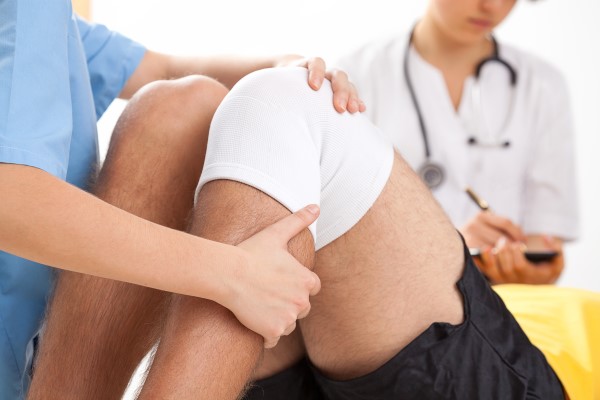
A strong ACL rehab plan restores knee stability while protecting healing tissue, so athletes and active patients can move with confidence again. In a physical therapy setting, care follows a criterion-based progression that matches swelling, strength, and movement quality. Timelines vary by surgical technique, individual health, and the surgeon's guidelines, so each plan stays personalized.
The initial evaluation and early priorities
The first visits often center on controlling pain and swelling, restoring a comfortable range of motion, and confirming safe walking mechanics. A physical therapist reviews the surgical protocol, checks knee mobility, and identifies movement patterns that increase strain on the anterior cruciate ligament (ACL). The physical therapist will also cover home strategies for icing, elevation, and activity pacing to reduce flare-ups between appointments.
Phase one: Motion, muscle activation, and gait
In the early stages of ACL rehab, the common focus is on full knee extension, gradual gains in flexion, and improved quadriceps activation. Therapeutic exercises support circulation and reduce stiffness, while manual therapy may address soft-tissue restrictions that limit motion. Gait training, on the other hand, helps normalize walking mechanics, especially when crutches or a brace are part of the post-operative plan. As swelling decreases and control improves, exercises progress in a structured, symptom-guided way.
Phase two: Strength, balance, and movement quality
As the knee is able to tolerate a heavier load, strengthening expands to the hips, core, and lower leg to improve overall alignment. Balance work trains joint position awareness, which supports safer stair use and reduces the sensation of the joint giving out. The physical therapist will coach patients on proper technique, because controlled movement matters as much as the amount of resistance.
Many ACL rehab programs include a mix of foundational elements such as the following:
- Closed-chain strengthening (squats, step-ups, and leg press variations)
- Single-leg balance and reach drills
- Hamstring and glute strengthening for hip-knee control
- Mobility and flexibility work to keep motion symmetrical
Progress depends on consistent form, minimal swelling response, and steady strength gains rather than the calendar alone. Completing home exercises supports faster skill carryover between sessions and helps rebuild confidence in daily movement. If symptoms increase, the plan often adjusts volume or intensity while keeping the long-term goal in view.
Phase three: Running, agility, and return-to-sport preparation
Later ACL rehab adds impact and change-of-direction training when strength and landing mechanics meet established criteria. Interval running, plyometrics, and agility drills build power while reinforcing knee-friendly alignment during cutting and deceleration. Sport-specific tasks may also be included, such as reactive balance, rotational control, and endurance conditioning. Ongoing coaching remains essential because fatigue can compromise form and increase the risk of reinjury.
Schedule an appointment for ACL rehab
A complete plan includes objective re-testing, such as strength symmetry, hop tests, and functional movement screens, to guide a safe return to full activity. A physical therapist also outlines a maintenance program that supports ongoing strength and conditioning beyond formal visits. For patients seeking guided ACL rehab in Irvine, contact Orange County Physical Therapy OCPT, Inc. to schedule an appointment. Our team is here to help get you back on track.
Request an appointment here: https://irvine.ocptclinic.com or call Orange County Physical Therapy OCPT, Inc. at (949) 777-5301 for an appointment in our Irvine office.
Check out what others are saying about our services on Yelp: ACL Rehab in Irvine, CA.
Related Posts
Myofascial release is a physical therapy approach that reduces tension in the fascia, a connective tissue network that surrounds muscles and organs. When this connective tissue web loses its normal glide, it restricts movement and can make it hard to perform daily activities comfortably. Posture, past injuries, and repetitive motions can further contribute to this…
Sports rehab supports safe recovery, better performance, and long-term joint health for active people after injury or surgery. With sports rehab, a physical therapist guides movement retraining, strength progressions, and return-to-play decisions in a structured, evidence-based way. Athletes who commit to a complete sports rehab plan often notice improvements in posture, coordination, and confidence during…
Neck therapy from a physical therapist can reduce stiffness, restore range of motion, and improve daily comfort. These therapeutic treatment programs focus on strengthening, stretching, and restoring balance to the neck and surrounding muscles. With targeted care, neck therapy not only addresses current discomfort but also supports long-term mobility and well-being.Neck stiffness and discomfort are…
When experiencing any type of injury, it is ideal to seek physical therapy. However, teenagers who engage in sports are much more prone to experiencing a muscle injury, such as a sprain or strain. When this occurs, a visit to the physical therapist is crucial. Here is a quick overview of how physical therapy can be…